What Would Happen If the Internet Stopped Working for 24 Hours?
The internet has become one of the most important parts of modern life. People use it for communication, banking, shopping, entertainment, work, education, transportation, and even healthcare.
But have you ever wondered what would happen if the entire internet suddenly stopped working for just 24 hours?
Even a single day without internet could create chaos across the world.
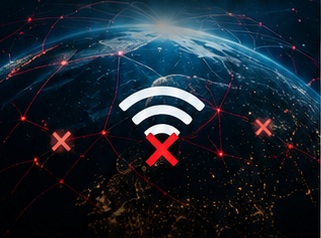
Let’s explore how daily life, businesses, governments, and society could be affected if the Internet Stopped Working.
Communication Would Slow Down Instantly
The first thing most people would notice is the sudden loss of communication.
Apps and services like:
- messaging platforms
- video calls
- social media
would stop working almost immediately.
People would return to:
- traditional phone calls
- SMS messages
- offline communication
Many younger users who grew up with smartphones might find the experience surprisingly stressful.
Social Media Would Go Silent
Platforms like:
- YouTube
- TikTok
would become inaccessible.
Influencers, creators, businesses, and millions of users who depend on these platforms daily would suddenly lose access to their audiences.
For some people, this could actually feel relaxing. For others, it could feel isolating.
Online Banking and Payments Could Stop
Modern banking systems heavily depend on internet connectivity.
Without internet:
- online banking apps may stop working
- UPI payments could fail
- card transactions may slow down
- ATMs could experience disruptions
- stock markets may pause operations
In countries with strong digital payment systems like India, daily shopping could become difficult very quickly.
Cash would suddenly become important again.
Businesses Could Lose Billions
Many companies rely entirely on cloud-based systems and online services.
A global internet shutdown could affect:
- remote work
- customer support
- online orders
- logistics
- data centers
- cloud applications
Major tech companies could lose enormous amounts of money within hours.
Small businesses that depend on online sales would also struggle.
Transportation Systems Could Be Affected
Modern transportation depends heavily on internet-connected systems.
Possible disruptions include:
- airline booking systems
- GPS navigation
- ride-sharing apps
- traffic monitoring
- delivery tracking
Although airplanes and trains can still operate safely without public internet access, many scheduling and customer systems could face delays.
People may suddenly realize how dependent daily travel has become on digital infrastructure.
Entertainment Would Change Overnight
Streaming services like:
- Netflix
- Spotify
- Disney+
would stop working for most users.
Online gaming servers would also disconnect.
People might return to:
- downloaded movies
- offline games
- television
- books
- outdoor activities
Ironically, some families might spend more time talking to each other again.
Schools and Remote Work Would Pause
Online learning platforms and remote work tools would be heavily affected.
Services like:
- video conferencing
- cloud collaboration
- online classrooms
would become unavailable.
Millions of employees working from home could temporarily stop working altogether.
Students taking online classes would also face interruptions.
Emergency Services Could Face Challenges
Hospitals, police departments, and emergency systems use internet-connected technology in many areas.
A large-scale outage could affect:
- hospital databases
- communication systems
- emergency coordination
- digital medical records
Most critical systems have backup infrastructure, but operations would still become slower and more difficult.
Could the World Panic?
Probably — at least initially.
Within hours:
- rumors could spread
- misinformation could increase
- people might rush to ATMs
- businesses may close temporarily
However, after the initial shock, society would likely adapt quickly for a short-term outage.
Humans are surprisingly adaptable when necessary.
Would There Be Any Positive Effects?
Surprisingly, yes.
Some people might experience:
- reduced screen time
- less social media stress
- more face-to-face conversations
- improved focus
- more outdoor activity
A temporary internet-free day could remind people how connected — and dependent — modern society has become.
Could This Actually Happen?
A complete global internet shutdown is extremely unlikely because the internet is decentralized across thousands of networks and data centers worldwide.
However, regional outages already happen due to:
- cyberattacks
- technical failures
- natural disasters
- undersea cable damage
- government restrictions
Even short disruptions can affect millions of people.
Final Thoughts
The internet has become deeply connected to nearly every part of modern life. A 24-hour global shutdown would disrupt communication, business, transportation, entertainment, and daily routines around the world.
While society would eventually adapt, the experience would reveal just how dependent humanity has become on digital connectivity.
The internet may feel invisible in daily life, but if it disappeared for even one day, the impact would be impossible to ignore.