
Why Some Countries Drive on the Left While Others Drive on the Right?
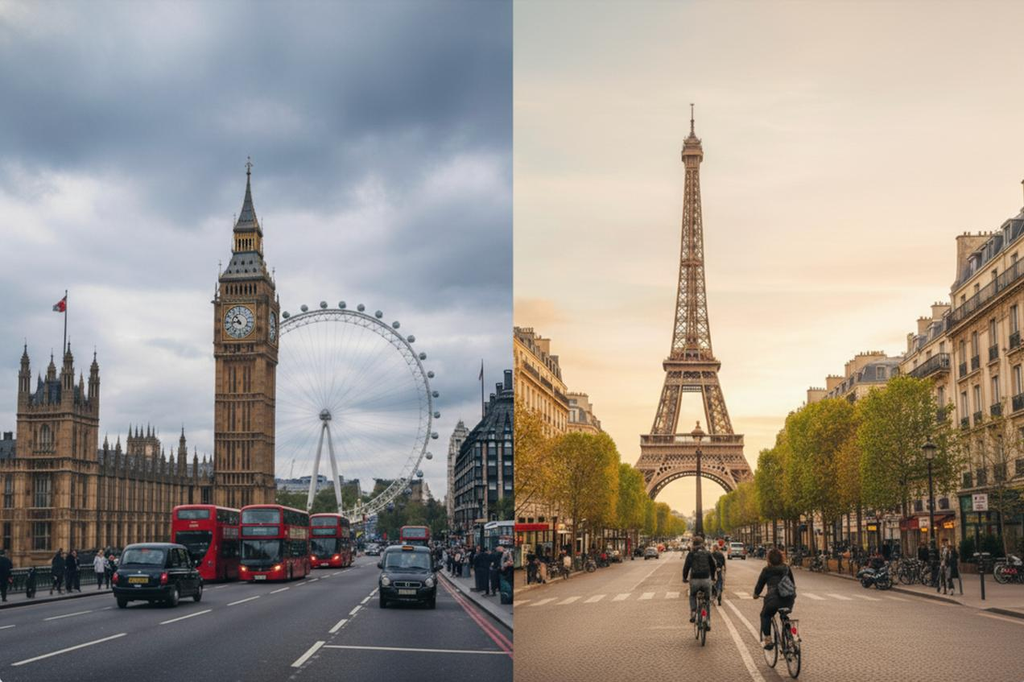
Imagine landing in another country, renting a car, and suddenly realizing that the steering wheel is on the opposite side of what you are used to. Even more surprising, the cars are moving in the opposite lane!
Around the world, people follow two main systems of road traffic: left-hand traffic and right-hand traffic. Countries such as the United Kingdom, India, Japan, and Australia drive on the left, while the United States, China, France, and Germany drive on the right.
But why did the world end up with two different systems? Was it a random decision, a historical tradition, or a practical choice?
The answer involves centuries of history, old transportation customs, political influence, and changing road systems.
Why Do Some Countries Drive on the Left?
One popular explanation begins with the days when people traveled on horseback.
In societies where many people were right-handed, keeping to the left could make it easier to keep the right hand free when approaching another traveler. In some historical contexts, this may have helped with greeting, defending oneself, or controlling a horse.
However, there is no single explanation that accounts for every country’s driving rules. Left-side travel developed through different customs and historical influences in different places.
Over time, left-side travel became established in Britain. As British political and commercial influence spread, the practice also took hold in many territories connected to the British Empire.
This is one reason countries such as India, Australia, and New Zealand still drive on the left today.
For a broader historical perspective on how road traffic systems developed, you can explore this historical overview of Sweden’s transition to right-hand traffic
Why Do Other Countries Drive on the Right?
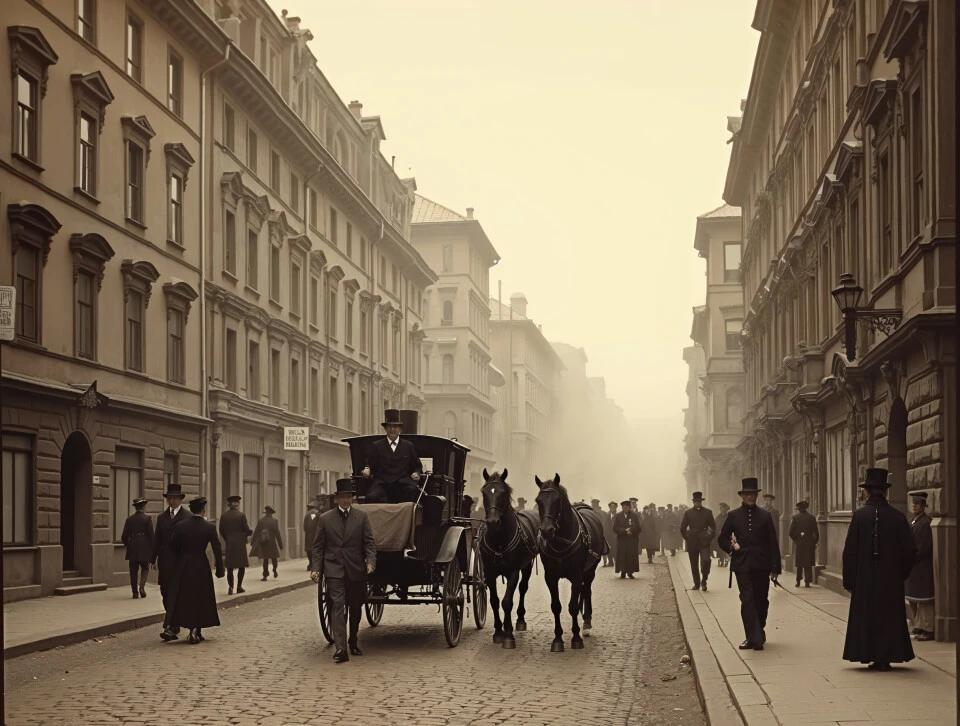
Right-hand traffic also has a long history, and its spread involved several influences.
In parts of continental Europe, right-side travel became increasingly common during the late eighteenth and nineteenth centuries. The French Revolution and later political and military changes under Napoleon helped spread right-side traffic rules across parts of Europe.
Another explanation sometimes discussed is the use of large horse-drawn wagons. Depending on the wagon design and how drivers controlled their teams, keeping to the right could be practical. These practices varied by region, so wagon customs alone do not explain the global pattern.
As roads, vehicles, and national regulations developed, more countries standardized traffic on the right. The United States also adopted right-side traffic, helping establish the system across much of North America.
Which Countries Drive on the Left?
Here are some well-known examples of countries where vehicles generally travel on the left side of the road:
- United Kingdom: A major historical influence on left-side traffic.
- India: Left-side traffic is used on public roads.
- Australia: Vehicles keep left, including in major cities and rural areas.
- Japan: Left-side traffic is used nationwide.
- New Zealand: Driving is on the left.
- South Africa: Left-side traffic is the standard.
- Thailand: Drivers generally keep left.
- Indonesia: Left-side traffic is used across the country.
This list is not exhaustive. Always check local regulations before driving abroad.
Which Countries Drive on the Right?
Right-side traffic is the standard in many parts of the world, including:
- United States: Traffic generally moves on the right.
- Canada: Vehicles drive on the right.
- France: Right-side traffic is standard.
- Germany: Drivers keep right.
- China: Mainland road traffic generally keeps right.
- Brazil: Right-side traffic is the standard.
- Mexico: Vehicles drive on the right.
- United Arab Emirates: Drivers keep right.
Most countries in continental Europe and the Americas use right-side traffic, although regional exceptions exist.
Does the Steering Wheel Always Match the Side of the Road?
Usually, cars are designed with the driver’s seat positioned on the side opposite the center of the road. In left-driving countries, cars commonly have the steering wheel on the right. In right-driving countries, it is commonly on the left.
This arrangement helps drivers judge the road ahead and see approaching traffic when overtaking.
However, imported vehicles, specialist vehicles, and local regulations can create exceptions. The position of the steering wheel is not a reliable substitute for knowing the actual traffic rules.
Can a Country Change Which Side of the Road It Uses?
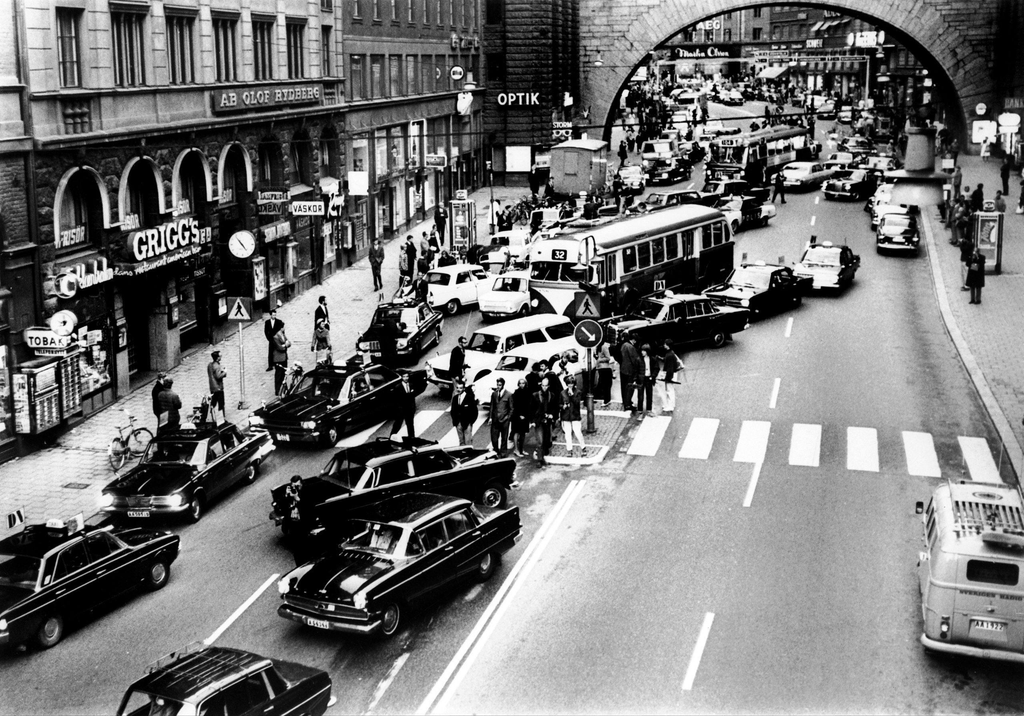
Yes. Countries have changed traffic sides, although doing so requires extensive planning.
A change affects road signs, intersections, traffic lights, public transport, vehicle fleets, driver education, and emergency services. Authorities must prepare drivers and coordinate the transition to avoid confusion and accidents.
Sweden is a famous example of a country changing its traffic system. On 3 September 1967, the country switched from driving on the left to driving on the right in an event known as Dagen H. The transition involved traffic restrictions, public information campaigns, and careful coordination. You can read more about this historic event in Stockholm’s historical archive
The change required extensive public information campaigns and careful traffic planning. It is one of the clearest examples of how a country can change an everyday rule on a national scale.
What Should You Know Before Driving Abroad?
If you are planning an international trip, remember these simple precautions:
- Check which side of the road vehicles use at your destination.
- Confirm whether your rental car has a left-side or right-side steering wheel.
- Learn local rules for roundabouts, intersections, overtaking, and turning.
- Pay extra attention when leaving a car park or entering a quiet road.
- Check your driving licence requirements and rental insurance before your trip.
Before your trip, check the official driving guidance for your destination. The U.S. Department of State’s driving and transportation safety guide
If you are accustomed to driving on the right, left-side traffic may feel unusual at first, and vice versa. Give yourself time to adjust and avoid driving when tired.
Final Thoughts
The difference between left-hand and right-hand traffic is more than a road rule. It reflects the way history, political influence, transportation practices, and national decisions shape everyday life.
There is no single event that explains why the entire world adopted two different systems. Instead, each country’s traffic rules developed through its own combination of historical circumstances and practical decisions.
The next time you travel abroad, look at the road around you. The side people drive on may tell you a little about the country’s history.
Your turn: Which side of the road do you drive on in your country? Have you ever visited a place where the traffic moved in the opposite direction? Share your experience in the comments!
Frequently Asked Questions
1. Why does India drive on the left?
India’s left-side traffic system is linked to British-era road and transportation practices that continued after independence.
2. Why does the United States drive on the right?
Right-side traffic became established through historical transportation customs and the development of road regulations in the United States.
3. Does Japan drive on the left?
Yes. Japan uses left-side traffic on public roads.
4. Has any country changed from driving on the left to the right?
Yes. Sweden made the change on 3 September 1967.
5. Which side of the road is safer?
Neither side is automatically safer in every situation. Road design, driver behavior, vehicle safety, enforcement, and traffic conditions all affect road safety.
6. Do all former British territories drive on the left?
No. Historical influence is important, but countries have adopted different systems, and some have changed their traffic rules over time.

Thanks for a lovely read. The article moves at a comfortable pace, and I never felt lost while following your ideas.