
Top 5 Future Military Technologies Countries Are Developing in 2026
Technology is transforming modern warfare faster than ever before. In 2026, military powers around the world are investing billions into advanced weapons, autonomous systems, cyber warfare capabilities, and artificial intelligence-driven defense projects.
The future battlefield may look very different from traditional wars fought with tanks and fighter jets alone. Nations are now preparing for conflicts involving AI-controlled drones, hypersonic missiles, robotic soldiers, and even space-based defense systems.
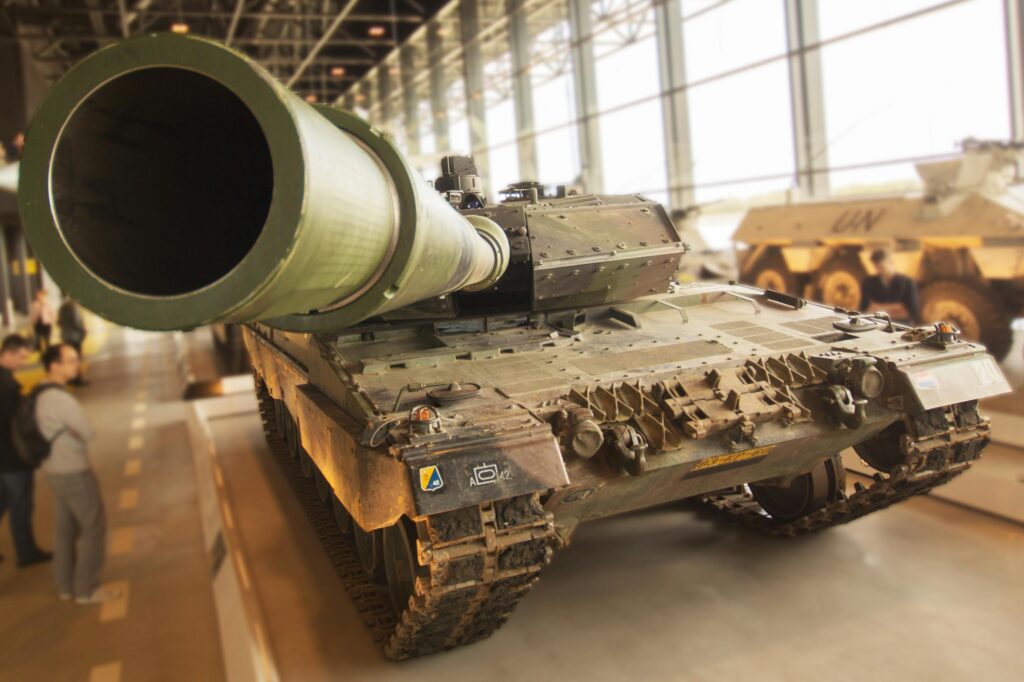
Here are five of the most advanced military technologies shaping the future of global defense.
1. Hypersonic Missiles
Hypersonic missiles are among the most feared military technologies being developed today. Unlike traditional ballistic missiles, hypersonic weapons can travel at speeds greater than Mach 5 while changing direction mid-flight.
This makes them extremely difficult to intercept using current defense systems.
Countries such as United States, China, and Russia are heavily investing in hypersonic programs to gain strategic advantages.
These weapons could dramatically reduce reaction times during military conflicts and reshape global defense strategies.
2. AI-Powered Autonomous Drones
Artificial Intelligence is rapidly becoming a core part of military systems.
Autonomous drones can now:
- Identify targets
- Navigate complex environments
- Coordinate with other drones
- Perform surveillance missions
- Operate with limited human intervention
Drone swarms are especially concerning because hundreds of smaller drones can overwhelm traditional defense systems simultaneously.
Many experts believe AI-powered drones may become one of the defining weapons of future warfare.
3. Directed Energy Weapons
Laser-based defense systems are no longer science fiction.
Directed energy weapons use highly concentrated beams of energy to destroy incoming drones, missiles, or enemy equipment. These systems can engage targets almost instantly and may significantly reduce ammunition costs.
Military organizations are exploring:
- High-energy laser systems
- Microwave weapons
- Electromagnetic pulse technologies
These weapons could become critical for protecting ships, military bases, and aircraft in the coming decades.
4. Space-Based Military Systems
Space is becoming an increasingly important military domain.
Modern militaries depend heavily on satellites for:
- Communication
- GPS navigation
- Surveillance
- Missile tracking
- Intelligence gathering
As geopolitical tensions rise, countries are developing anti-satellite weapons and orbital defense systems designed to protect critical space infrastructure.
Future conflicts may involve both cyber warfare and space warfare simultaneously.
5. Robotic Soldiers and Exoskeletons
Military researchers are also working on robotic combat systems and wearable exoskeleton technology.
Exoskeleton suits could help soldiers:
- Carry heavier equipment
- Move faster
- Reduce fatigue
- Improve battlefield endurance
Meanwhile, robotic ground units may eventually handle dangerous combat operations that would otherwise risk human lives.
Although fully autonomous robotic soldiers remain controversial, research in this field continues to accelerate.
The Role of Artificial Intelligence in Modern Warfare
AI is becoming the foundation behind many next-generation military technologies.
Artificial Intelligence can assist with:
- Battlefield analysis
- Threat detection
- Cybersecurity
- Autonomous navigation
- Strategic simulations
However, experts also warn about the ethical and security risks associated with AI-controlled weapons systems.
The global race for military AI superiority is expected to intensify over the next decade.
Final Thoughts
The future of warfare is evolving rapidly through advanced technology. Hypersonic missiles, AI-powered drones, laser weapons, space defense systems, and robotic soldiers are no longer distant concepts — many are already under active development.
While these technologies could improve national defense capabilities, they also raise serious concerns about global stability, cyber warfare, and the risks of autonomous combat systems.
As nations continue investing in military innovation, the future battlefield may become more technologically advanced than ever imagined.