What If Your Phone Disappeared for 30 Days?
Imagine waking up tomorrow and realizing your smartphone is gone. No social media, no messaging apps, no endless scrolling before bed. Just you and the world around you.
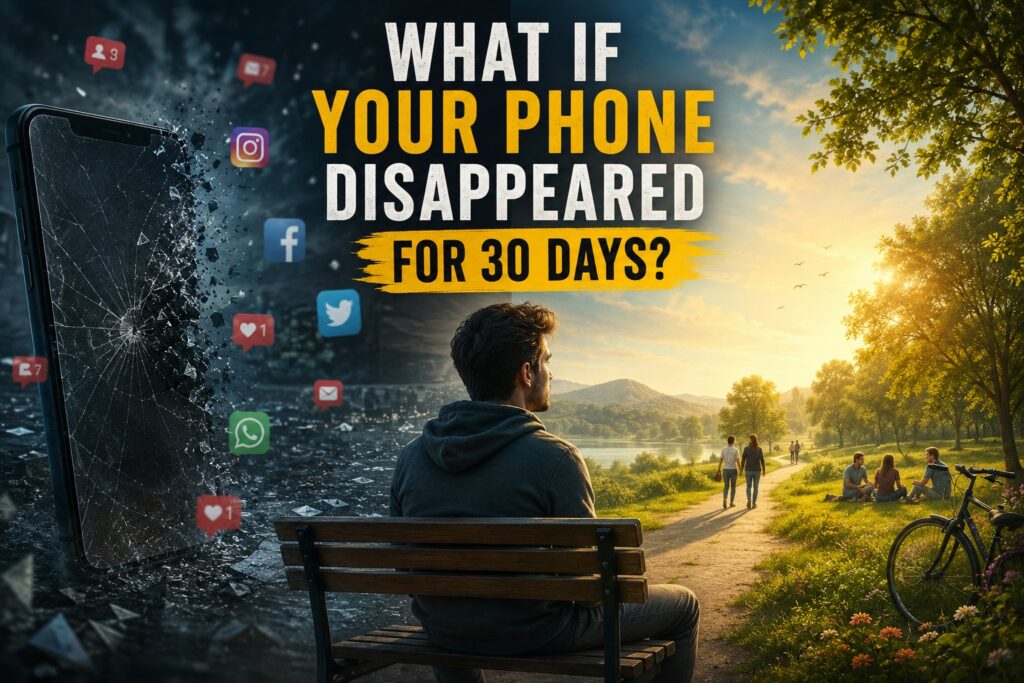
Sounds impossible? For many people, it would be.
Today, smartphones have become part of our daily lives. We use them for communication, entertainment, work, shopping, navigation, and even relaxation. But what would happen if you suddenly had to live without one for 30 days?
Let’s find out what will happen if your Phone Disappeared for 30 Days.
Week 1: The Withdrawal Phase
The first few days would probably feel uncomfortable.
Most people check their phones dozens or even hundreds of times each day without realizing it. Suddenly losing that habit can create a feeling that something is missing.
You might find yourself reaching for your pocket automatically or wondering what notifications you’re missing.
According to research shared by Harvard Health Publishing, excessive phone usage can create habits that are difficult to break.
Digital wellness research from Harvard Health Publishing
Week 2: More Free Time Appears
After the initial adjustment, something interesting happens.
You begin noticing how much time was previously spent scrolling through social media, watching short videos, or checking notifications.
Many people discover they suddenly have extra hours each week.
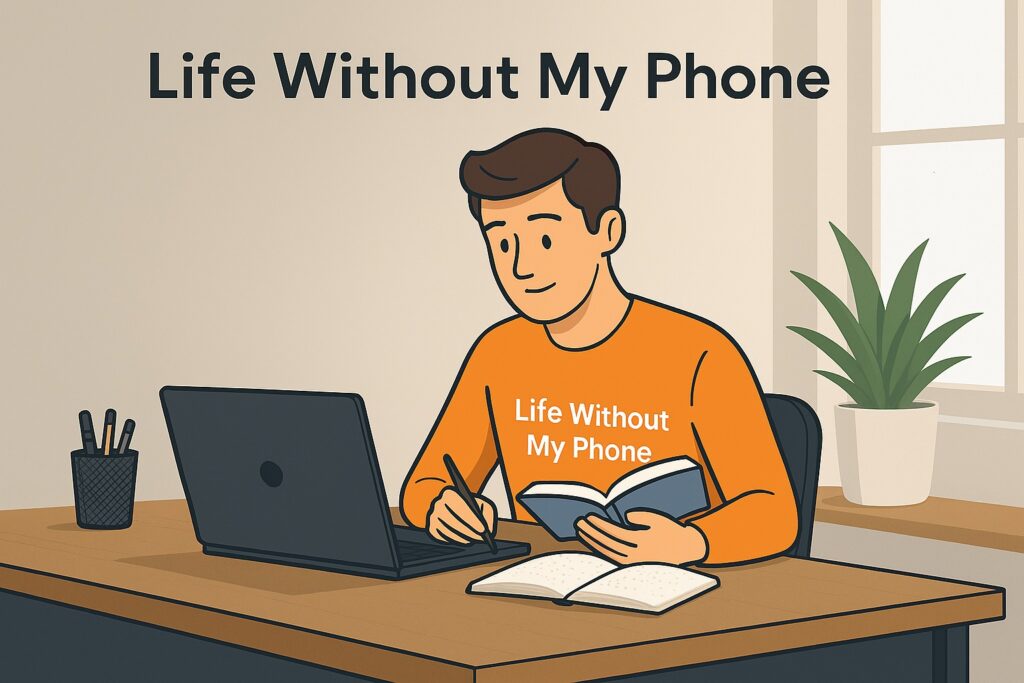
That time could be used for:
- Reading books
- Learning a new skill
- Exercising
- Spending time with family
- Exploring hobbies
Week 3: Better Focus and Productivity
Without constant interruptions, concentration often improves.
Many smartphone users are interrupted every few minutes by notifications, messages, or social media alerts.
When those distractions disappear, it becomes easier to focus on important tasks.
Work gets completed faster, and studying becomes more effective.
Digital wellbeing tools from Google Digital Wellbeing
Week 4: Real Connections Return
One surprising effect of a smartphone-free month is improved face-to-face interaction.
People often report having deeper conversations and paying more attention to those around them.
Instead of checking a screen during meals or meetings, they become more present in the moment.
Relationships can benefit from this change.
The Downsides
Living without a phone isn’t perfect.
Challenges may include:
- Difficulty navigating unfamiliar places
- Missing instant communication
- Reduced access to online banking
- Less convenience for daily tasks
Modern smartphones provide many useful services that genuinely make life easier.
Would You Be Happier?
The answer depends on the person.
Some people would feel liberated and less stressed.
Others would miss the convenience and connectivity.
The ideal solution may not be abandoning smartphones completely but using them more intentionally.
Screen-time reports show that many people spend several hours per day on their phones.
Screen time statistics from Statista
Final Thoughts
A month without a smartphone would be challenging, but it might also reveal how dependent we’ve become on our devices.
The experience could help us rethink our habits, spend more time in the real world, and use technology in a healthier way.
So here’s a question:
If your phone disappeared for 30 days, what would you miss the most?
Frequently Asked Questions (FAQ)
Q1. What would be the hardest part of living without a phone for 30 days?
For most people, staying connected with friends, family, and work would be the biggest challenge.
Q2. Can living without a smartphone improve focus?
Yes. Without constant notifications and social media distractions, many people find it easier to concentrate on important tasks.
Q3. Would I have more free time without my phone?
Most likely. Many people spend several hours a day on their phones, so reducing screen time can free up time for hobbies, exercise, and family activities.
Q4. Is giving up a smartphone completely necessary?
No. The goal is not to avoid technology entirely but to use it in a healthier and more intentional way.
Q5. What are the benefits of reducing phone usage?
Some common benefits include better focus, improved sleep, more face-to-face conversations, and less stress from constant notifications.
Q6. How can I reduce my phone usage without giving it up completely?
You can start by turning off unnecessary notifications, setting screen-time limits, and spending more time on offline activities like reading, walking, or exercising.